Accidents happen, even with well-trained pets. What matters is how quickly and how thoroughly you clean up. If a smell lingers, a pet may return to the same spot. This guide covers the products and steps that work best.
Act quickly
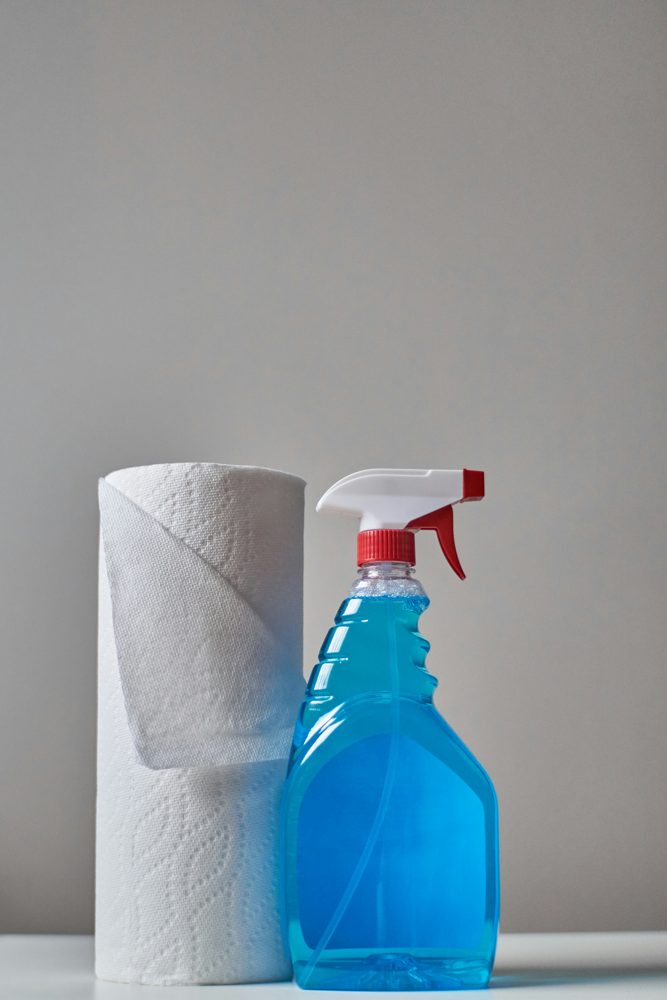
Blot fresh urine or vomit with paper towels, pressing down to soak up as much as you can. Do not rub, because that pushes the stain deeper into the fibers.
Enzyme cleaners
Enzymatic cleaners use enzymes that break down the proteins in urine, feces and vomit, which is what causes the odor. Regular household cleaners can mask the smell for humans, but pets may still detect it. Follow the directions on the bottle, make sure the product covers the whole stain and let it work for the stated time. Test on a hidden area first, to check for color changes.
Avoid some products
Ammonia-based cleaners can smell like urine to a pet and attract them back. Steam cleaners can set stains and odors if used before the area is clean.
Deeper stains
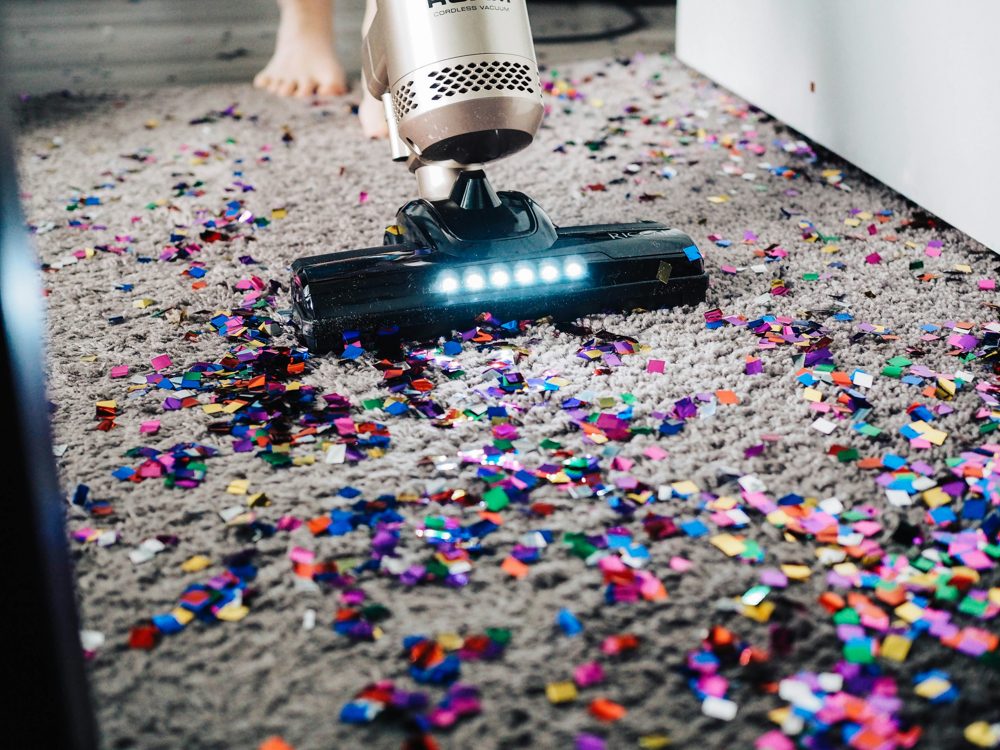
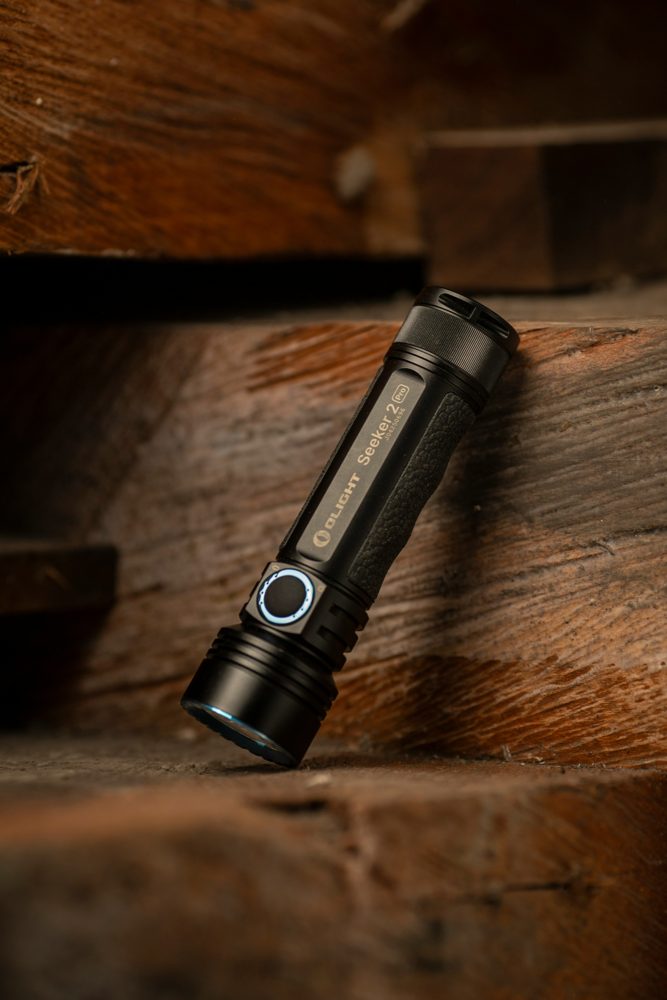
A portable carpet spot cleaner can lift stains from carpet and upholstery. It rinses the area and sucks up dirty water. For old or hidden spots, a UV blacklight can help to find marks you cannot see. Mark them lightly, then clean.
Soft furnishings
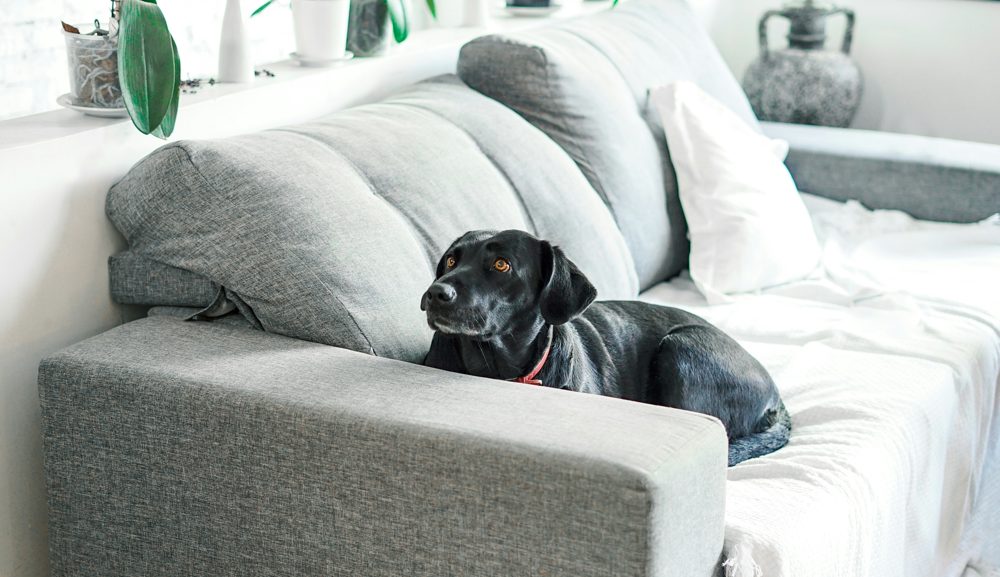
Wash washable items on the warmest setting the label allows, with a pet-safe detergent. A waterproof cover protects the sofa and mattress, and is easier to wash than the furniture itself.
Hard floors
Wipe up quickly and clean with a suitable cleaner. Check that the product is safe for your floor type and your pets.
Prevention
- Take puppies out often.
- Keep the litter box clean.
- If a house-trained pet has sudden accidents, talk to your veterinarian.
Ventilate
Open windows to help with smells while cleaning, and keep pets away until the area is dry.