Even a careful owner can lose a pet through an open gate or a startled bolt. Several layers of identification greatly improve the chance of a reunion. This guide explains ID tags, microchips and GPS trackers, and how they work together.
ID tags
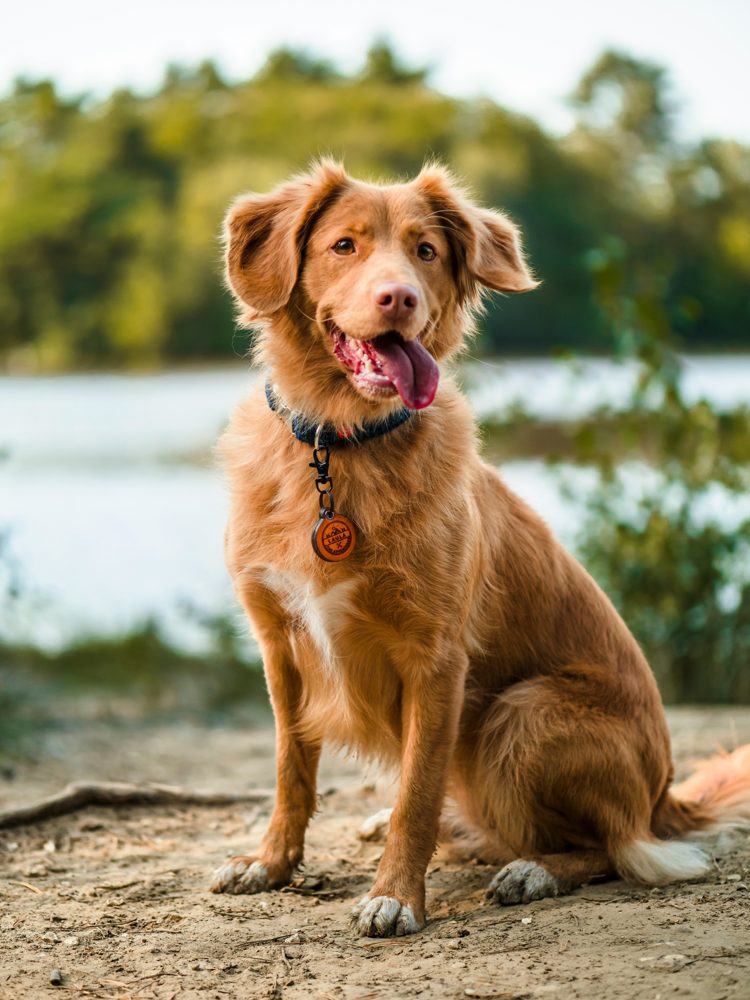
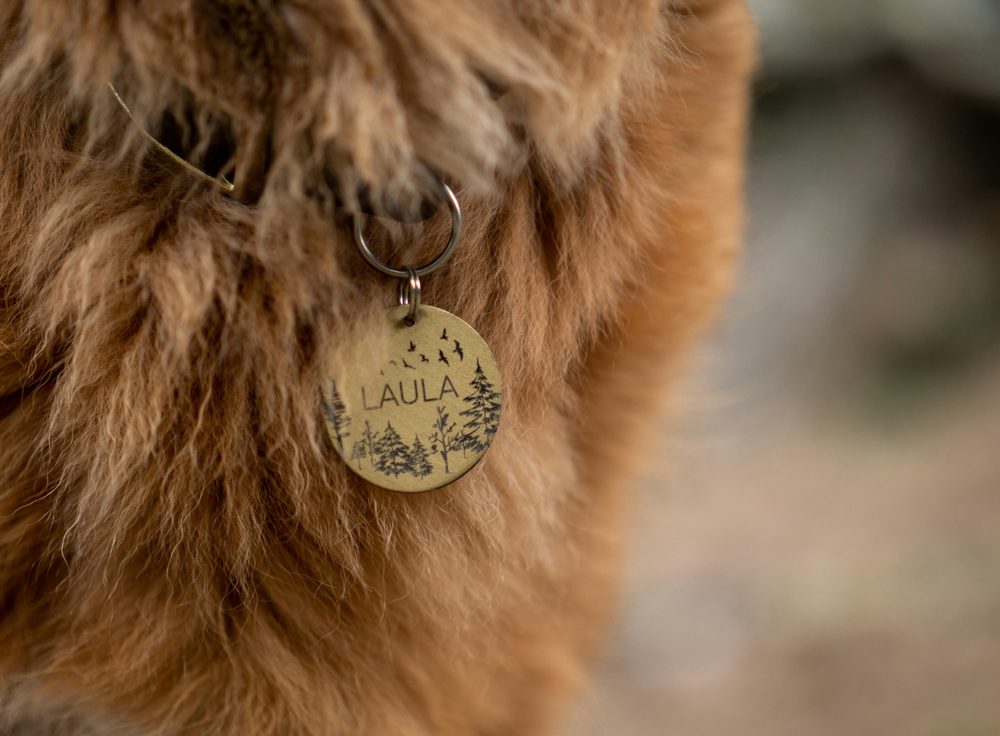
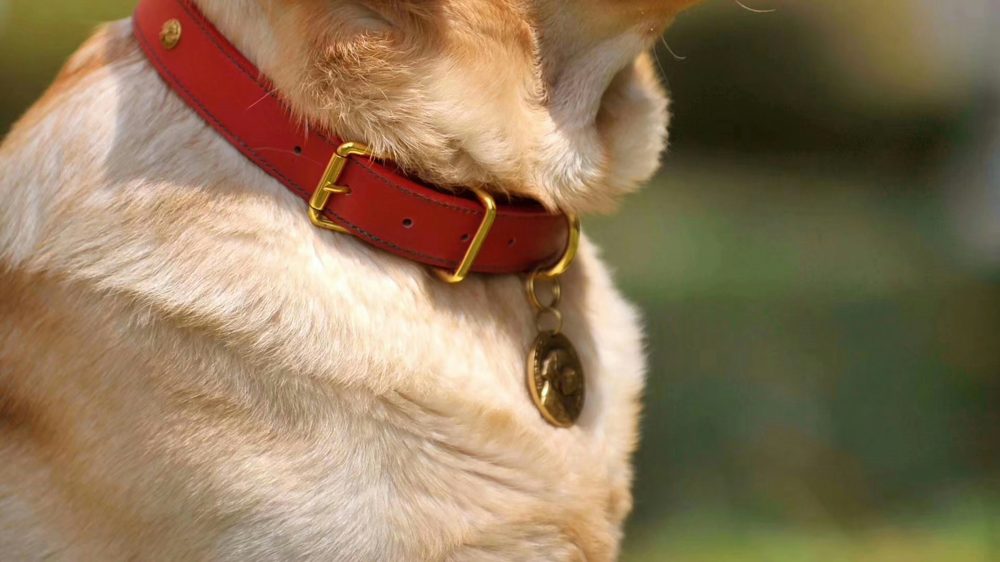
A tag on the collar is the fastest way for a finder to contact you. Engrave it with your phone number, and consider adding a second number. Your pet's name is optional. Silent tags avoid jingling, and slide-on types sit flat on the collar. Check that the tag is readable and the ring is secure.
Microchips
A microchip is a small chip implanted under the skin by a veterinarian. It carries a number that links to your contact details in a registry. It cannot show location. Keep your details up to date, because a chip with old information is of little use. Ask your veterinarian to scan it at check-ups to confirm it still works.
GPS trackers
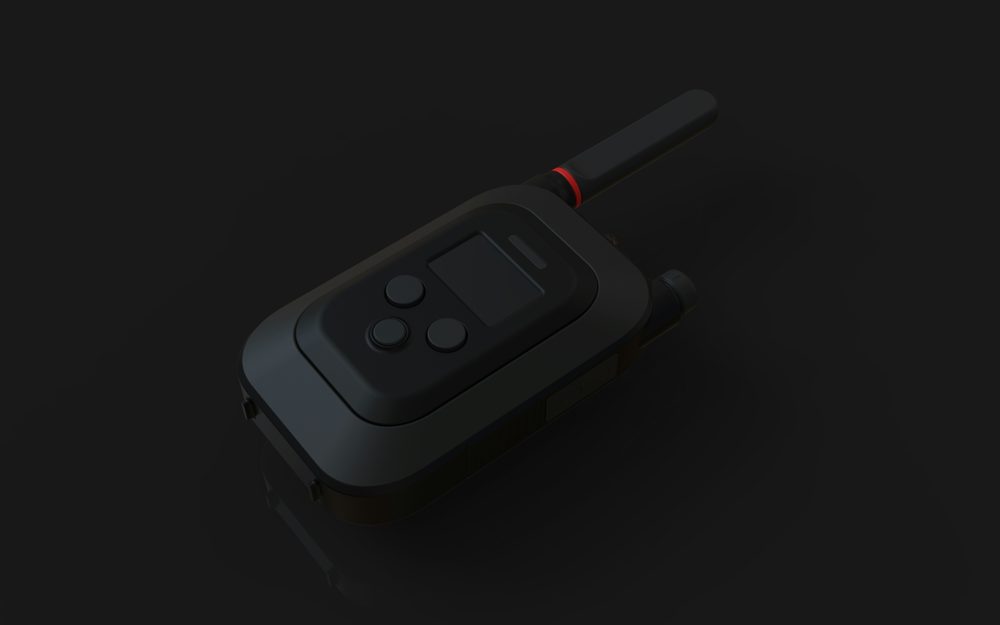
A GPS tracker attaches to the collar and shows your pet's location on a phone. Check these points:
- Subscription: many require a monthly plan for mobile data.
- Battery life: some last days, and others only hours.
- Coverage: check that it works in your area.
- Size and weight: it should suit your pet, especially a cat or small dog.
- Waterproofing for outdoor use.
Trackers can fail or lose signal, so use them together with a tag and a chip.
Collars
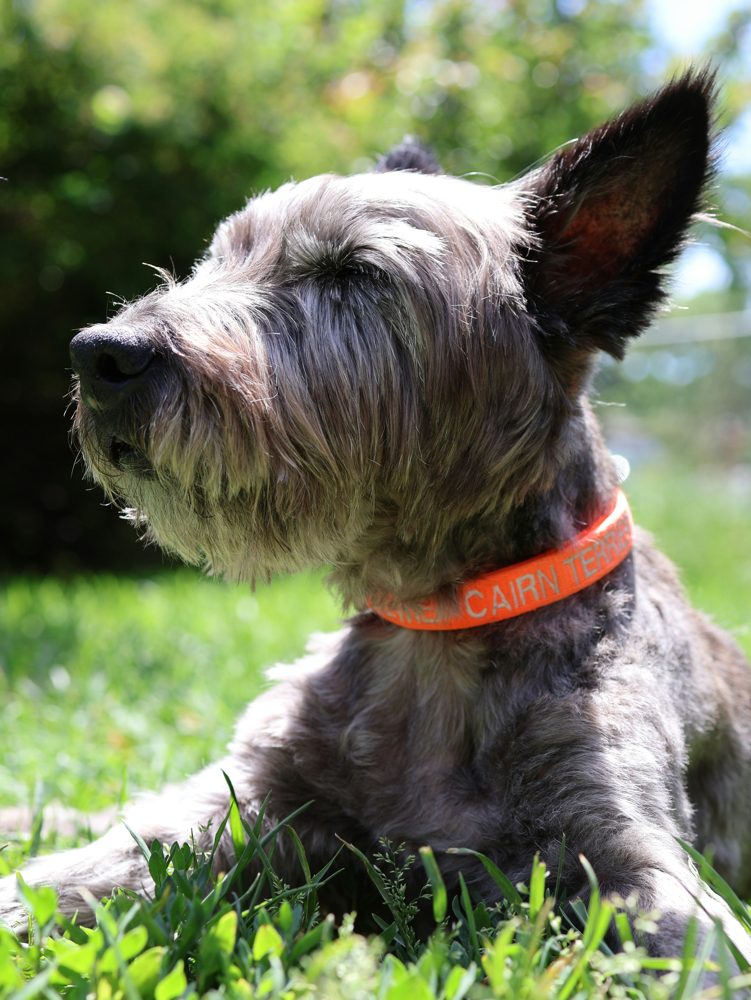
Choose a collar with a reflective strip for visibility. For cats, use a breakaway collar, which opens if it gets caught.
Photos and records
Keep a clear recent photo of your pet and a description. If your pet goes missing, contact local shelters and veterinarians, and post in local groups.
Review regularly
Check tags and details after a move or a number change.