Pets explore with their mouths and paws, and some household items can be dangerous. A little preparation makes the home safer for a new puppy, kitten or curious older pet. This guide covers gates, hazards and a few practical habits.
Start at pet level
Get down to your pet's height and look around. Cables, small objects, plants and open cupboards are easy to reach. Move what you can out of the way, and secure the rest.
Choosing a gate
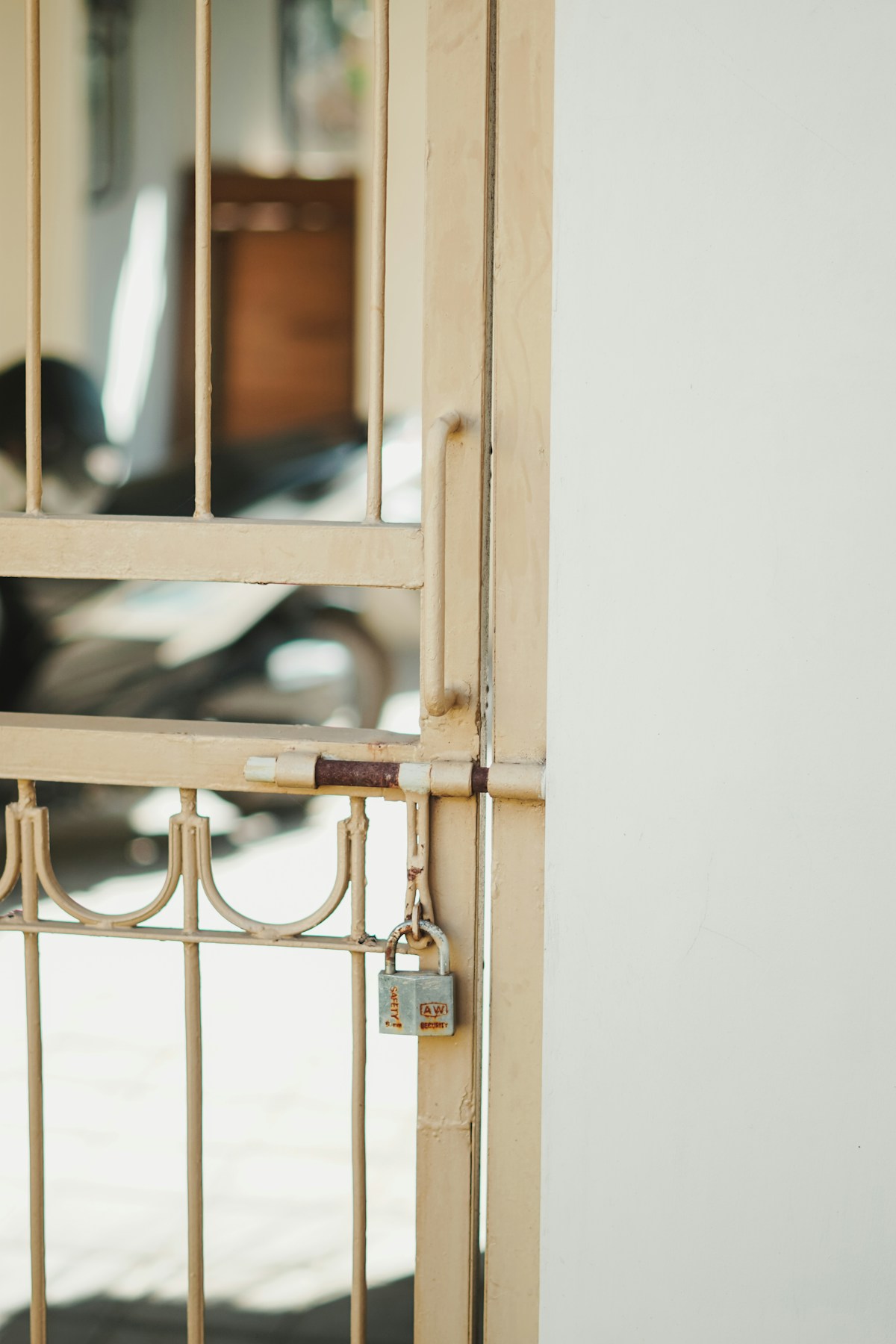
- Pressure-mounted gates fit between walls with no drilling. They suit doorways inside the home, but should not be used at the top of stairs.
- Hardware-mounted gates screw into the wall or the frame, and are the more secure choice for the top of a staircase.
- Tall gates suit jumpers, and a mesh gate suits small animals that might squeeze through bars.
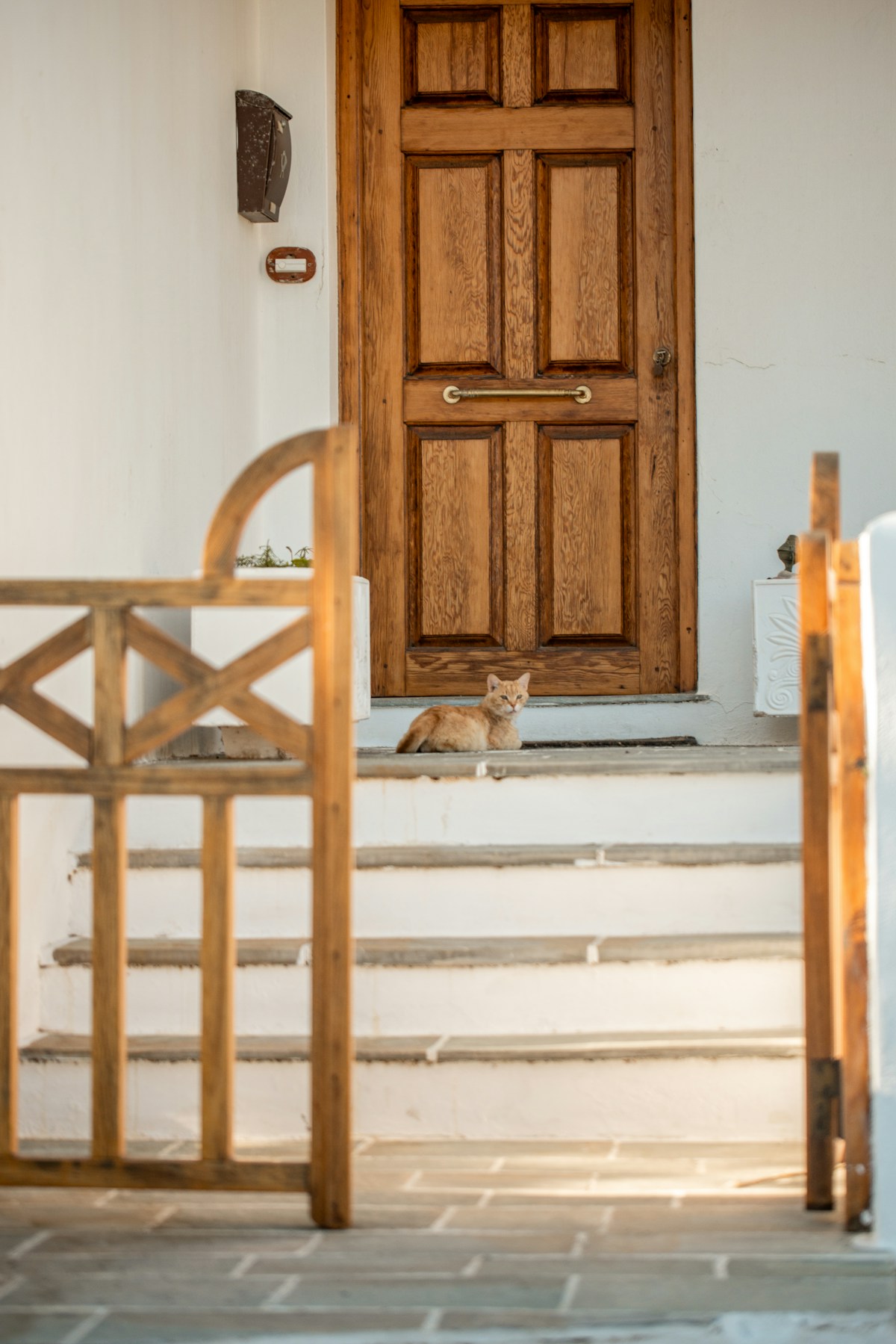
- A walk-through door is handy if you pass through often.
Measure the opening before you buy, and check the height and the gap at the bottom.
Common hazards
- Cables: tidy them away or use covers.
- Medicines and cleaning products: store them in closed cabinets.
- Plants: some common houseplants and flowers are toxic to pets, so check before you bring them home.
- Food: some foods, including chocolate, grapes and anything with xylitol, are harmful. Ask your veterinarian for a list.
- Trash: a locking bin keeps animals out of trash.
Windows and balconies
Keep windows secure, and use screens that cannot be pushed out. Balconies need netting or a barrier for cats.
Give them a safe place
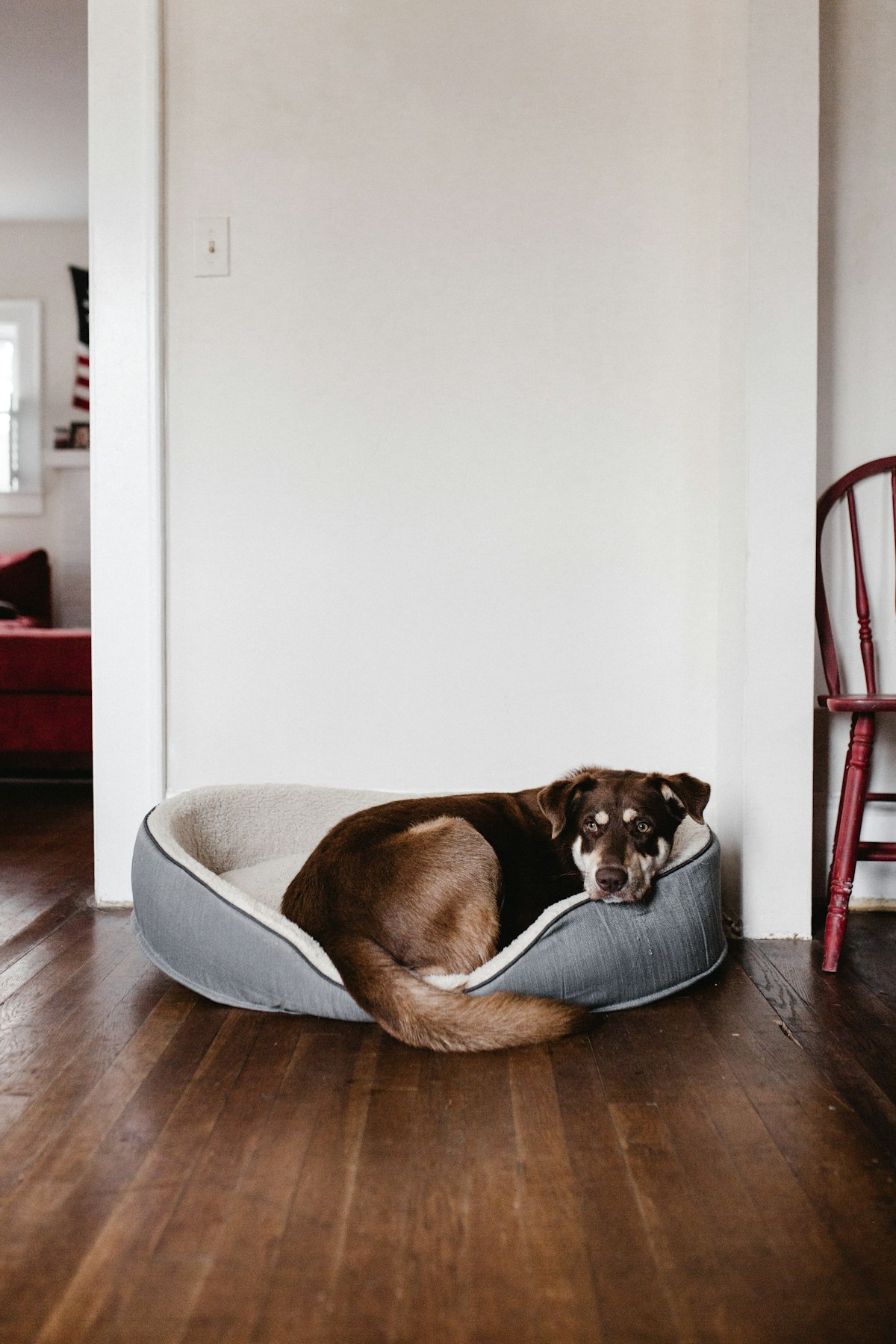
A bed or crate in a quiet corner gives your pet somewhere to retreat to. Offer chew toys to redirect chewing.
Review regularly
Pets grow and learn quickly, so check the home again from time to time.