Pet food labels can be confusing, with long ingredient lists and unfamiliar terms. Knowing what the main sections mean helps you compare products. This guide is general information, so ask your veterinarian which food and portion suit your pet.
The product name
Names can follow rules. In the United States, a name like "Chicken Dog Food" generally needs that ingredient to make up most of the product, while "with chicken" needs far less. Read the full name carefully.
The ingredient list
Ingredients are listed by weight before cooking, with the heaviest first. Fresh meat contains a lot of water, so it may look larger than it will be in the finished food. Look at the first several ingredients to get a picture of the recipe.
Guaranteed analysis
This section lists minimum levels of protein and fat and maximum levels of fiber and moisture. Because wet and dry foods contain different amounts of water, compare them on a dry-matter basis, or compare similar types only.
The nutritional adequacy statement
Look for a statement that the food is complete and balanced for a life stage, such as growth, adult maintenance or all life stages. This tells you whether it can be your pet's main diet. Foods labeled for intermittent feeding are not complete meals.
Feeding guidelines
The chart on the pack is a starting point. Your pet's age, size, activity and body condition affect how much they need. Watch your pet's weight and adjust with your veterinarian's help.
Measure portions
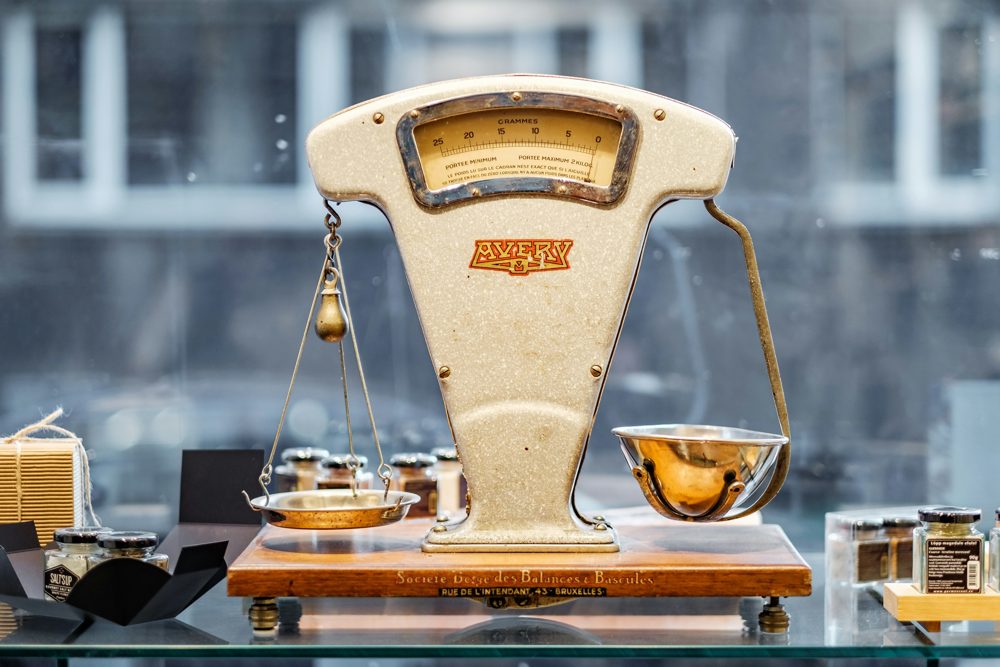
Use a scale or a measuring scoop instead of guessing, as a scoop can vary. A kitchen scale gives the most accurate result.
Other details
- Check the best-before date.
- Note the manufacturer's contact details.
- Store food as the pack advises.
Switching foods
Change foods gradually over about a week, mixing the new with the old.