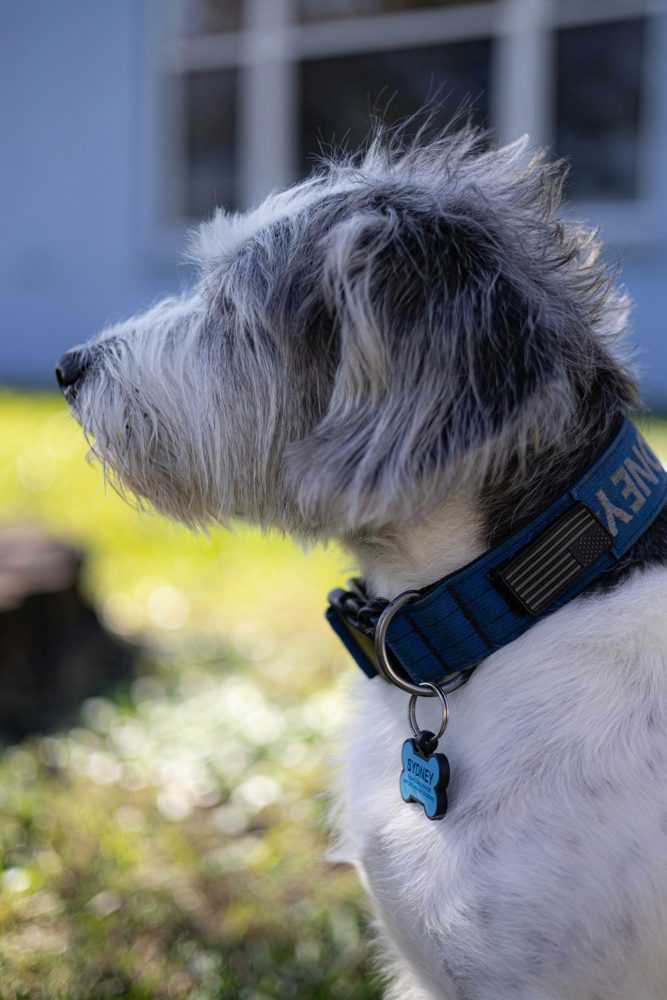
Collars and harnesses do different jobs. A collar is for ID tags and everyday wear, while a harness is usually better for walking, especially for dogs that pull. Many owners use both. Here is how to decide.
What a collar does well
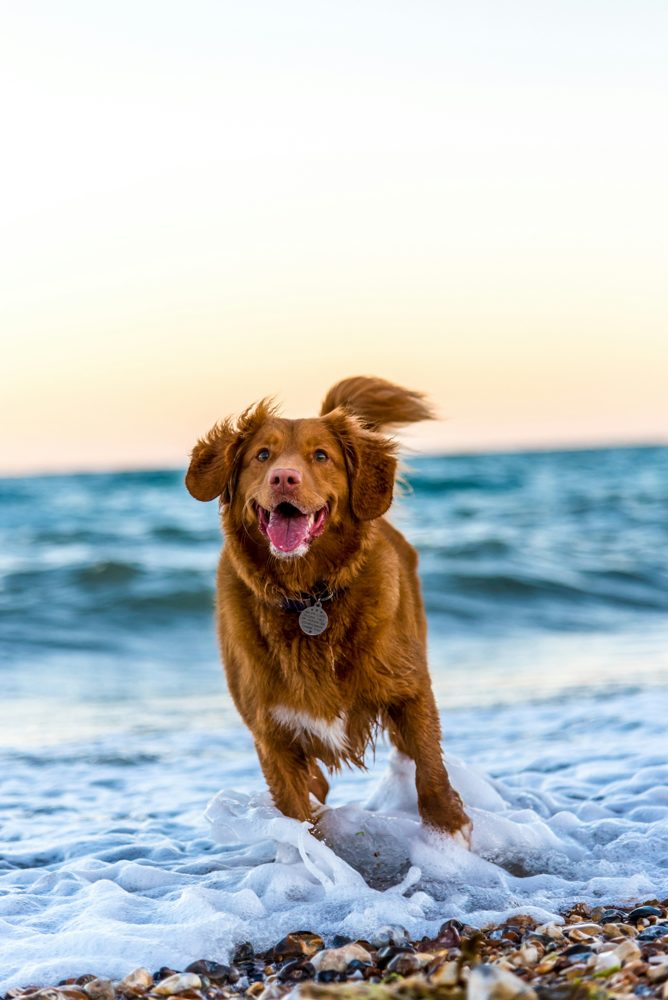
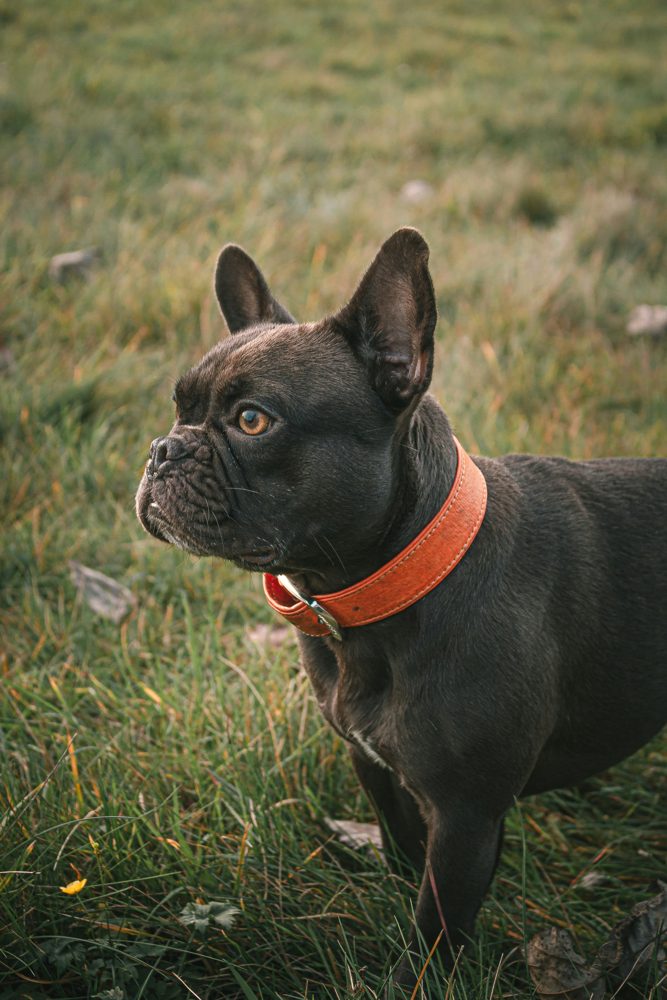
A flat collar carries your dog's ID tag and license. It is quick to put on, and suits dogs who walk calmly on a loose leash. Choose a width that suits your dog's size, and check the fit regularly. You should be able to slide two fingers between the collar and the neck.
When a harness is better
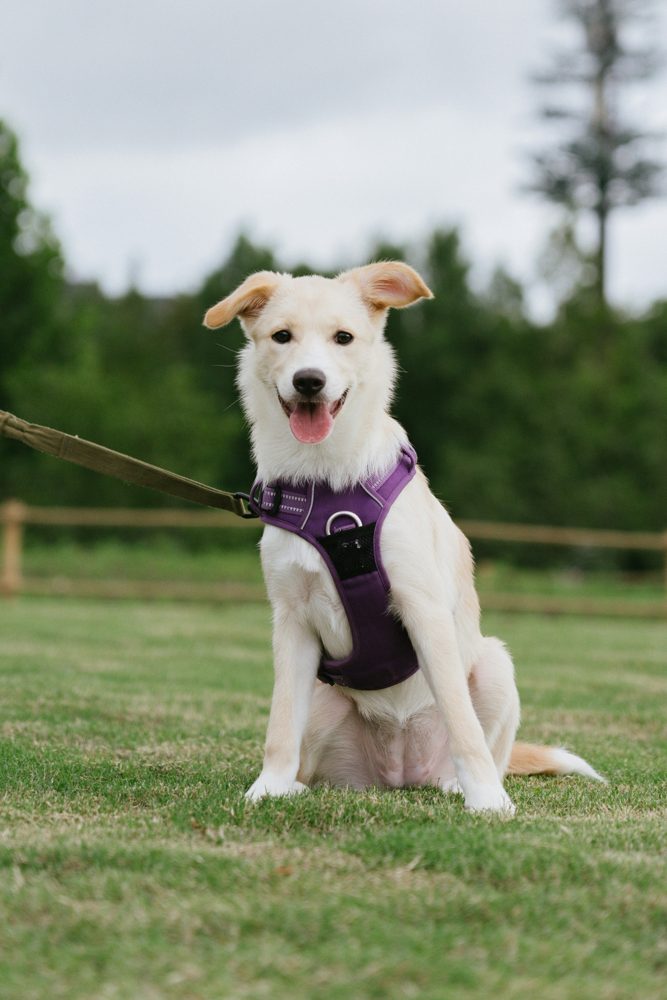
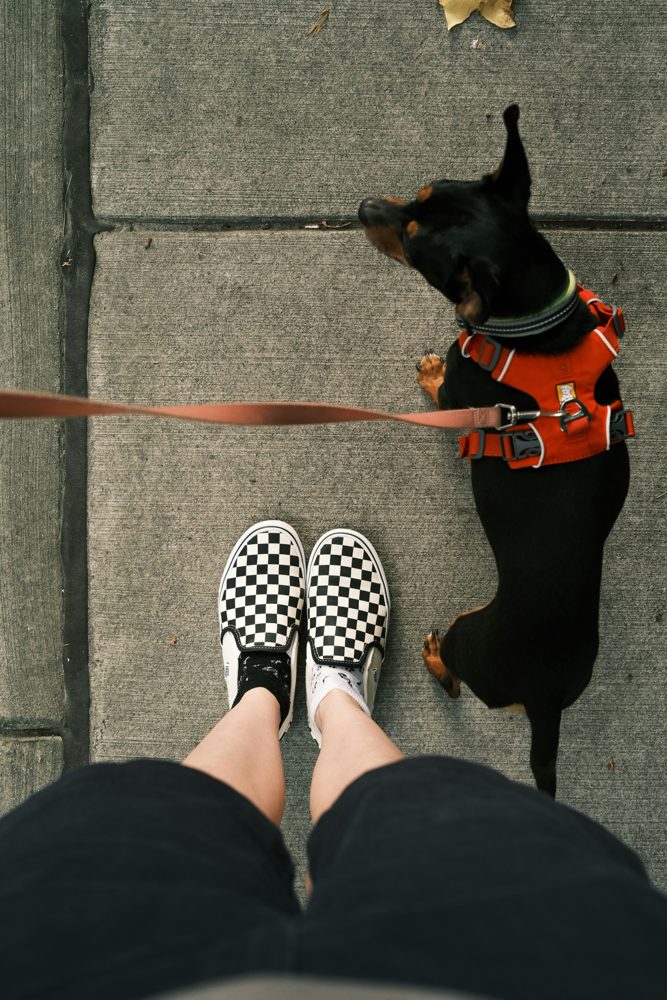
A harness spreads pressure across the chest and shoulders instead of the neck. It is often a better choice for dogs that pull, small breeds with delicate necks, and dogs that slip out of collars. Look for padded straps and several adjustment points.
Harness types
- Back-clip harnesses are easy to put on and comfortable, but may encourage pulling in some dogs.
- Front-clip harnesses attach at the chest, and turn the dog back toward you when they pull. They are popular for training.
- Step-in harnesses suit dogs that dislike things going over the head.
Choosing a fit
Measure the chest and neck, and compare with the size chart. A good harness does not rub under the legs and does not restrict movement. Check the fit again as your dog grows.
Visibility and ID
A reflective collar or harness helps at dusk. Keep the ID tag on a flat collar, even if you walk with a harness.
What about training?
Equipment helps, but it does not replace training. Reward walking on a loose leash, and consider classes if pulling is a problem.
Check the equipment
Inspect straps, clips and stitching often, and replace worn gear.