Used well, a crate becomes a quiet den where a dog can rest. It also helps with house-training, travel and keeping a dog safe when you cannot supervise. A crate should never be used as punishment. This guide covers size, types and how to introduce it.
Choose the right size
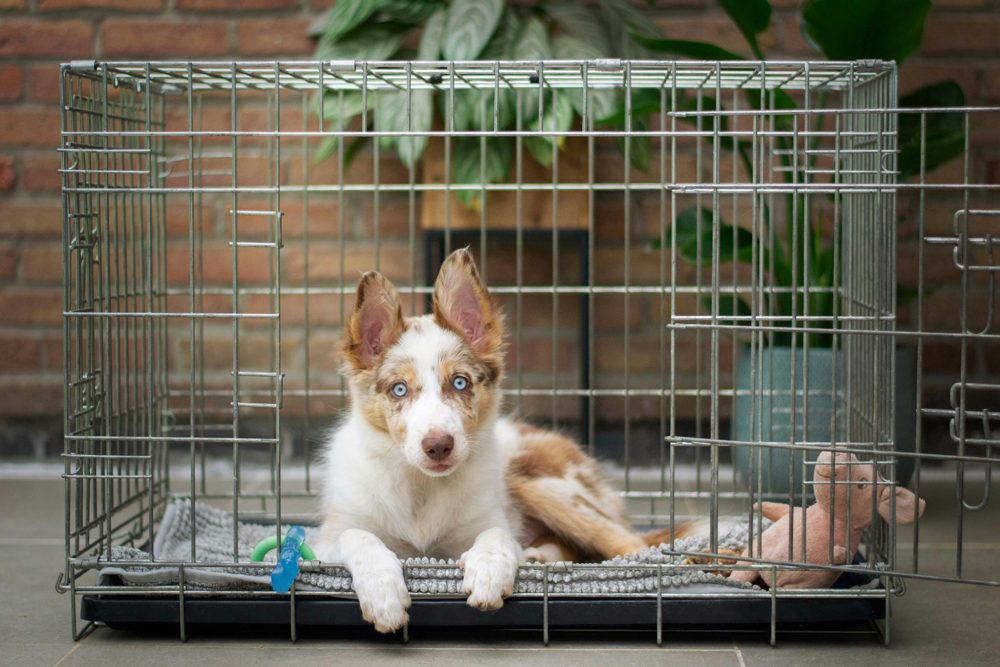
Your dog should be able to stand, turn around and lie down comfortably. Too big, and a puppy may use one end as a toilet. For a growing puppy, choose a crate with a divider that you can move as they grow. Check the manufacturer's guidance for your dog's breed and weight.
Types of crate
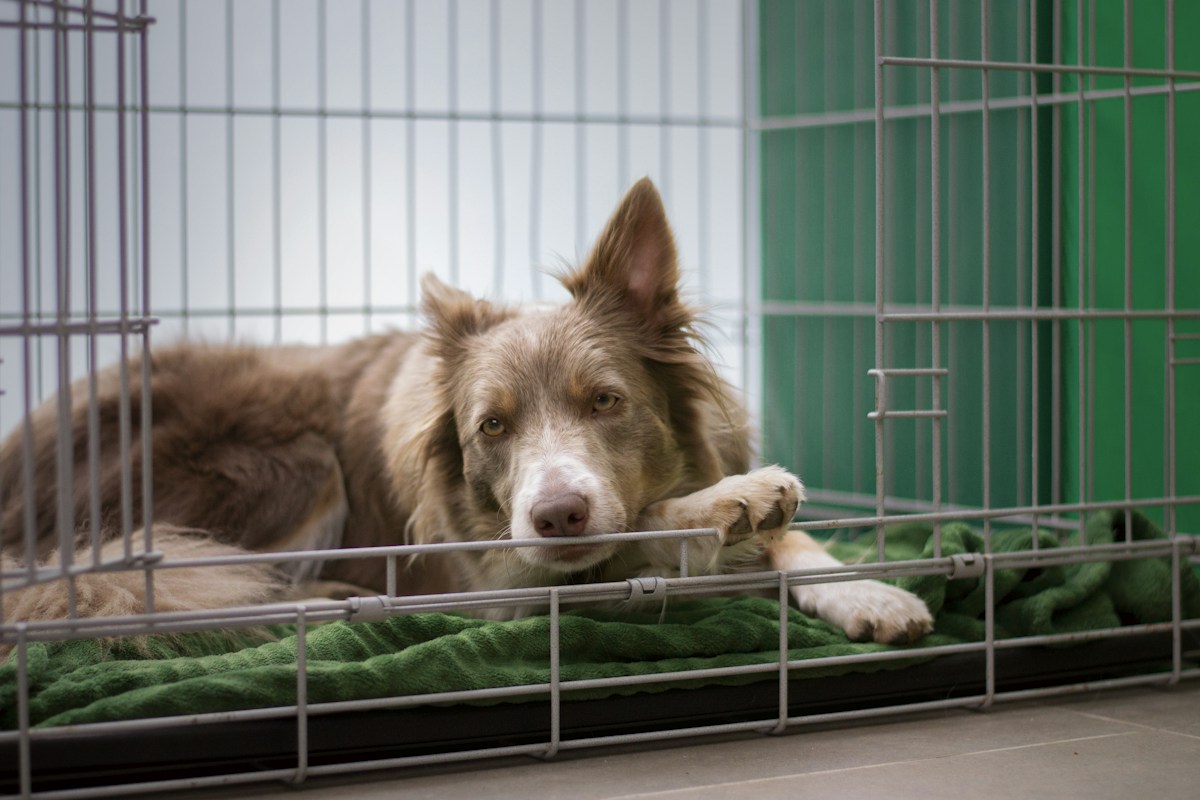
- Wire crates have good airflow and fold flat for storage. Many have two doors.
- Plastic crates are enclosed and often accepted for travel.
- Soft crates are lightweight but only suit calm dogs that do not chew.
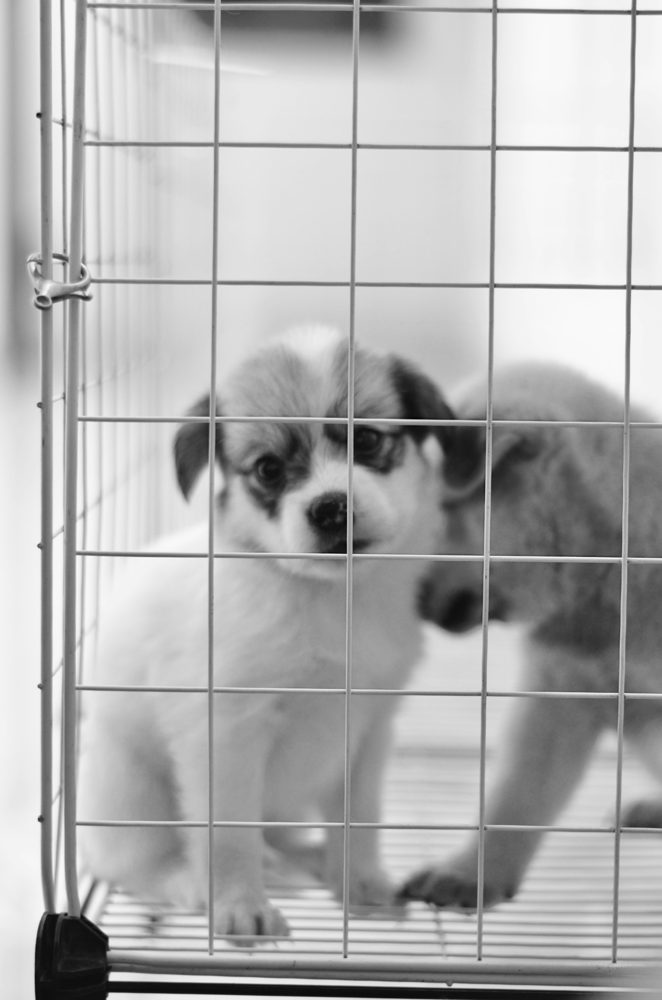
- Playpens give more room than a crate and suit puppies and small dogs.
Making it comfortable
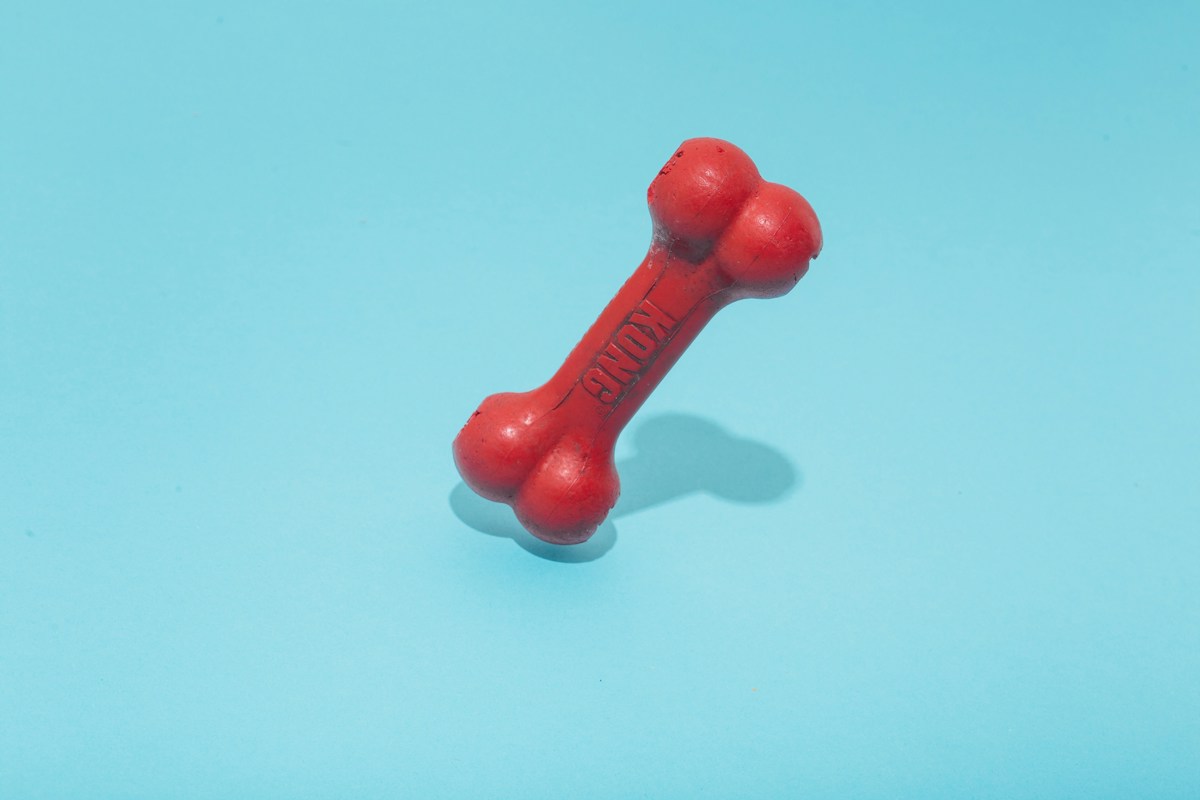
A soft bed or pad gives a comfortable base. A blanket over part of the crate can make it feel like a den. Add a safe chew toy to give your dog something to do.
Where to put it
Place the crate in a family room at first, so your dog does not feel isolated. Keep it away from drafts and direct sun.
Introduce it with patience
1. Leave the door open and toss treats inside.
2. Feed meals near, then in, the crate.
3. Close the door for a few seconds, then lengthen the time.
4. Stay close at first, then move further away.
How long
A dog should not spend long periods in a crate. Puppies need frequent breaks. Make sure your dog gets exercise and attention each day.
Safety
Remove collars with tags that could catch on the bars, and never use a crate in a hot car.