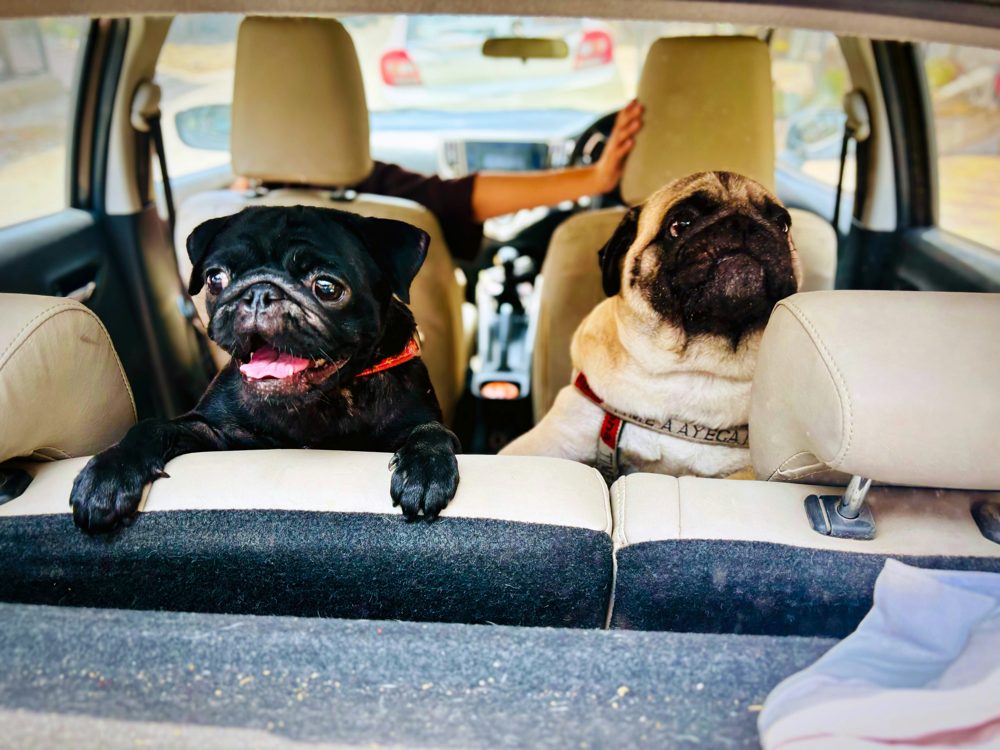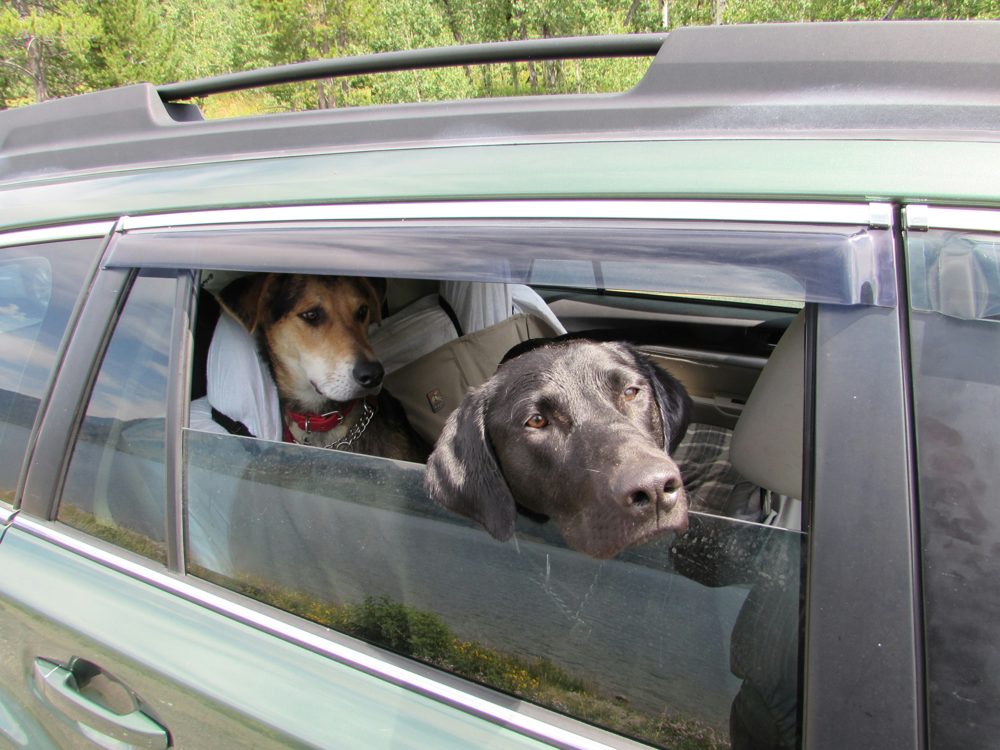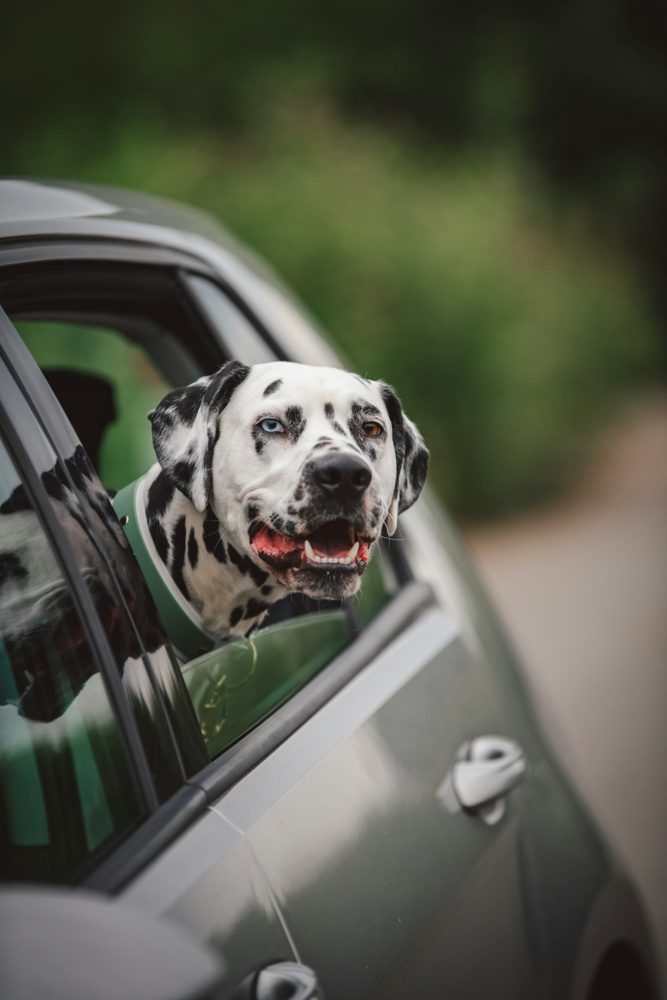
An unrestrained dog can be hurt in a sudden stop, and can distract the driver. Whatever the length of the journey, a restraint is worth it. This guide covers car harnesses, seat covers and barriers, and how to choose among them.
Car harnesses
A car harness clips to the seat belt, so your dog is secured in the back seat. Look for a padded, adjustable design and for products tested to a recognized standard. Some brands publish crash test results. A regular walking harness is not designed for crashes, so do not use it as a restraint.
Measure your dog and follow the fitting guide. The harness should be snug, with no more than two fingers of room.
Crates
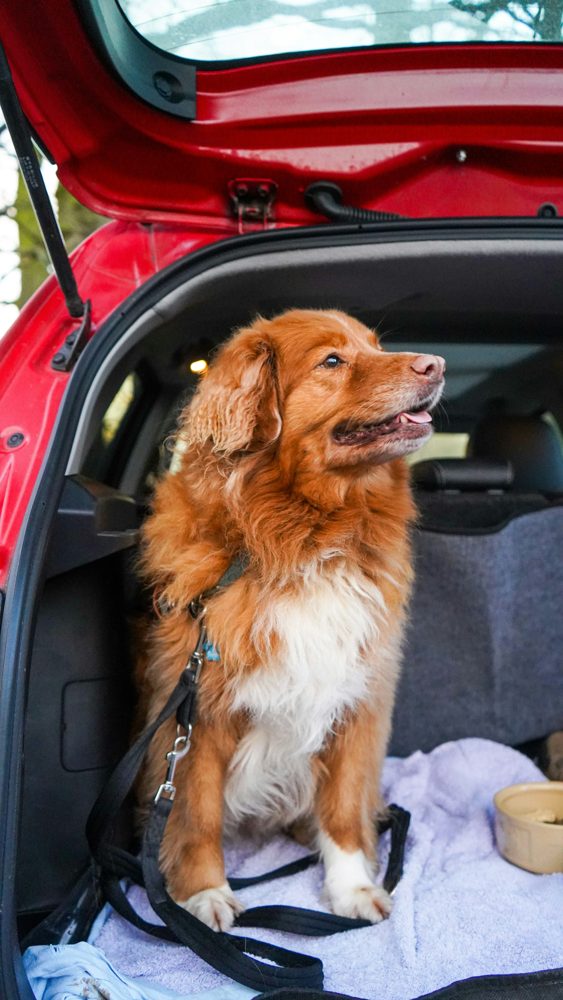
A strong, well-anchored crate is a good option for many dogs. Make sure it fits the space and is secured so it cannot slide.
Barriers
A barrier between the cargo area and the passenger seats keeps your dog behind the seats. It stops them from jumping forward but does not protect in a crash, so use it together with a restraint.
Seat covers
A seat cover protects upholstery from fur, mud and scratches. Choose a waterproof, non-slip type with openings for the seat belt. A hammock-style cover stops dogs from falling into the footwell.
Training
Introduce the harness at home first. Reward your dog for getting in the car and sitting calmly. Start with short trips.
Comfort on the road
- Take breaks every couple of hours so your dog can drink and stretch.
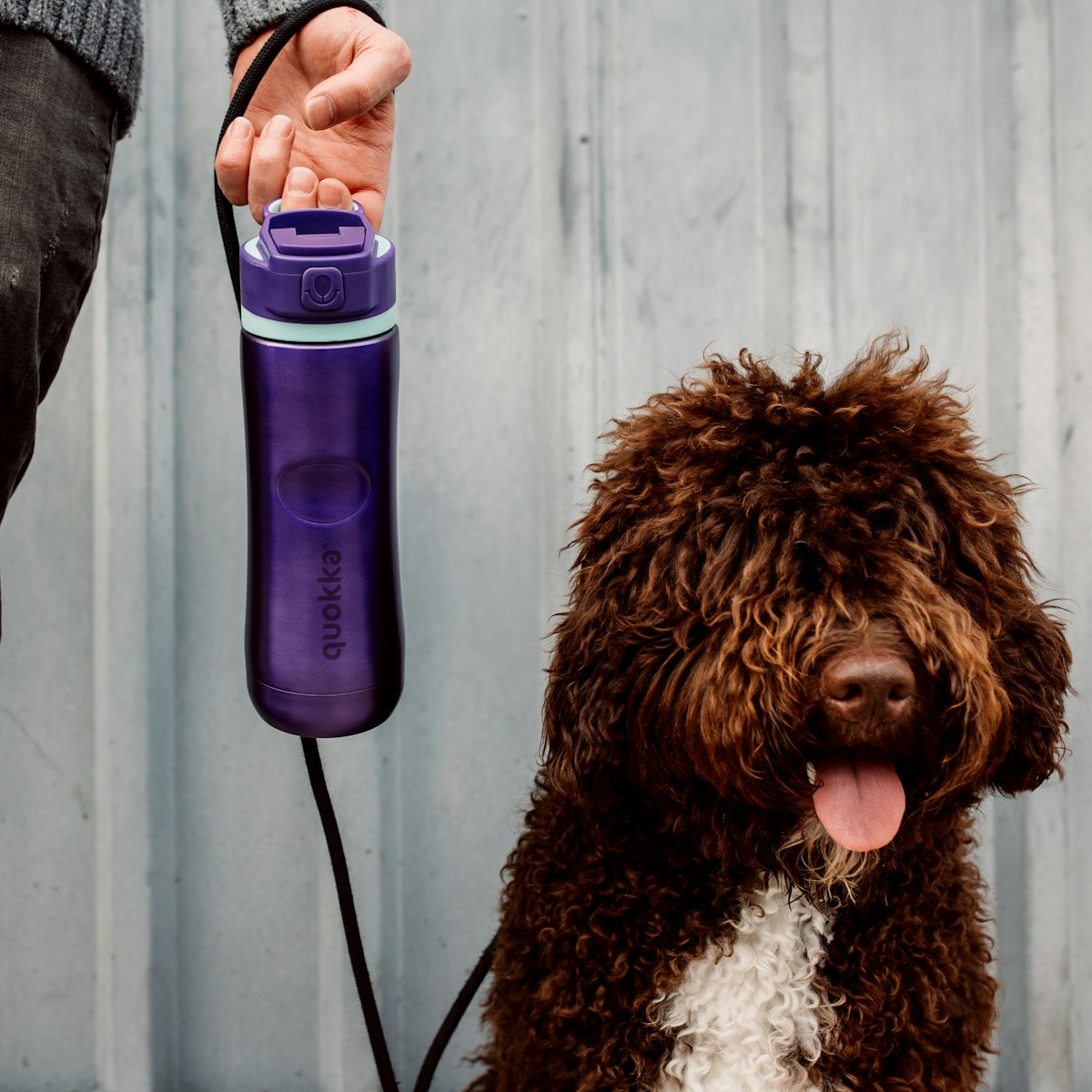
- Carry a travel water bottle or collapsible bowl.
- Never leave your dog in a parked car, because temperatures can rise very quickly.
Check the rules
Rules about restraining pets differ by state and country, so check the local law.