A cat that avoids its litter box is a cat telling you something. The size, the position, the cover and the litter all matter. This guide helps you choose a box that suits your cat and fits your home. If your cat suddenly changes its habits, speak to your veterinarian.
Size first
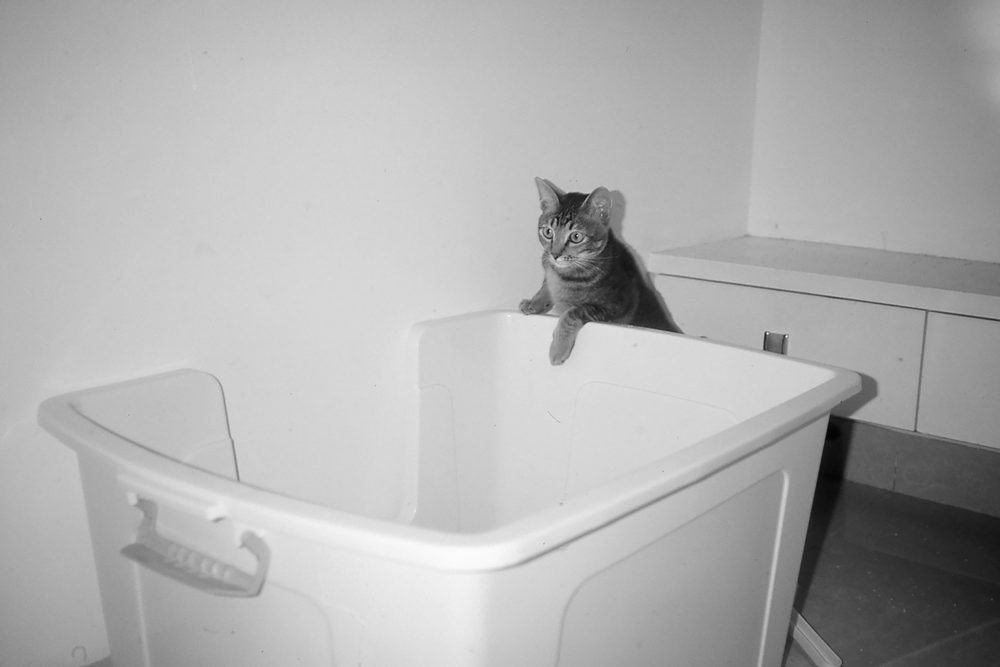
Many boxes are too small. As a rule, the box should be about one and a half times the length of your cat from nose to base of tail. Large and older cats appreciate extra room. A box with low sides is easier for kittens and older cats to step into.
Open or covered
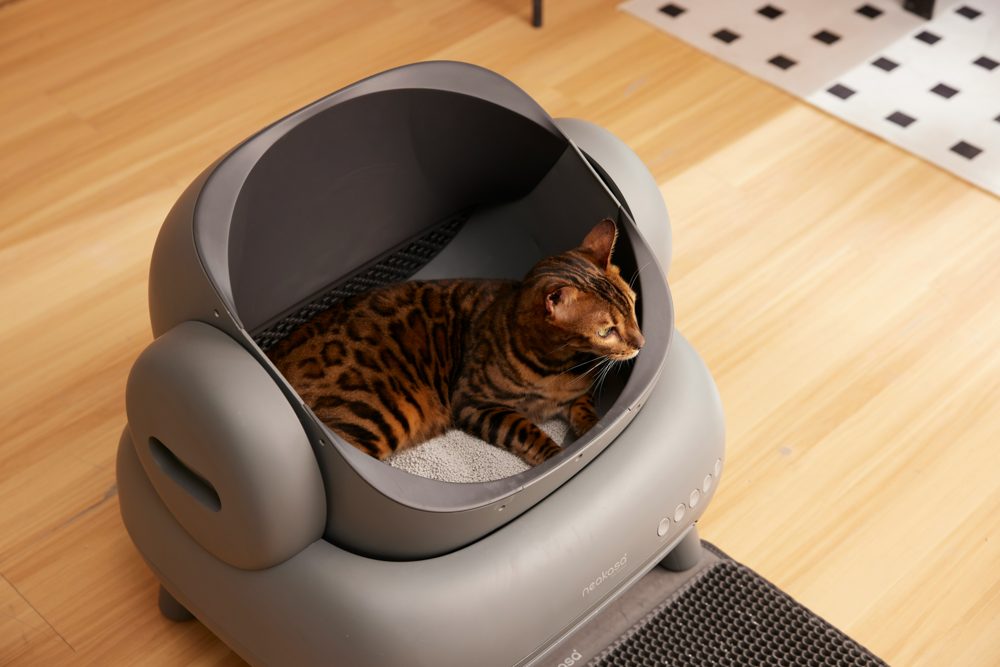
Covered boxes give privacy and keep litter from scattering, but they can hold odors and some cats dislike them. Open boxes are easier for a cat to enter and for you to clean. If you try a cover, watch how your cat reacts.
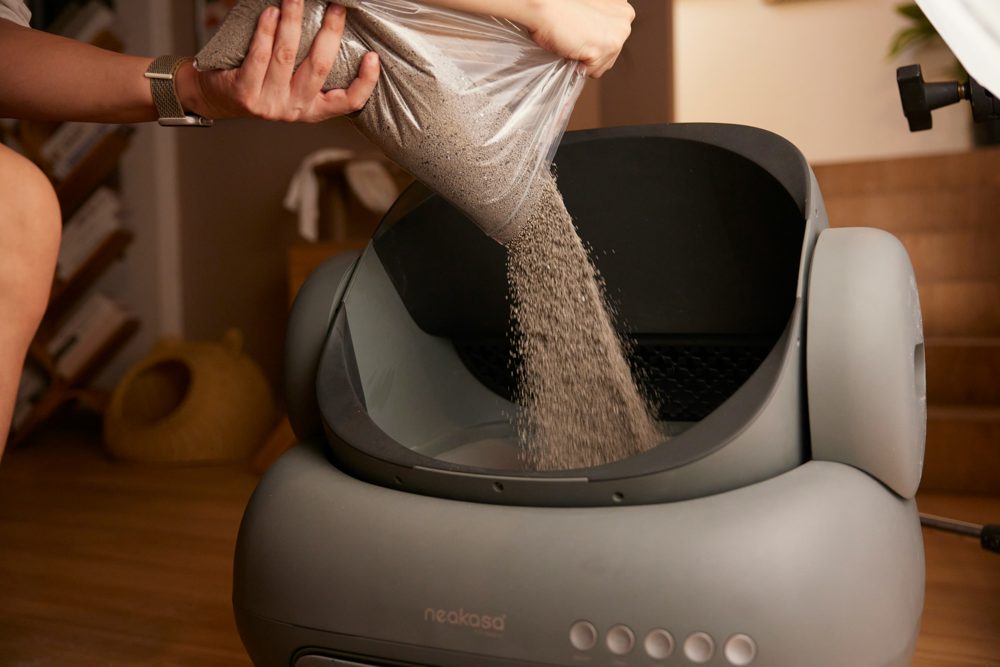
Self-cleaning boxes
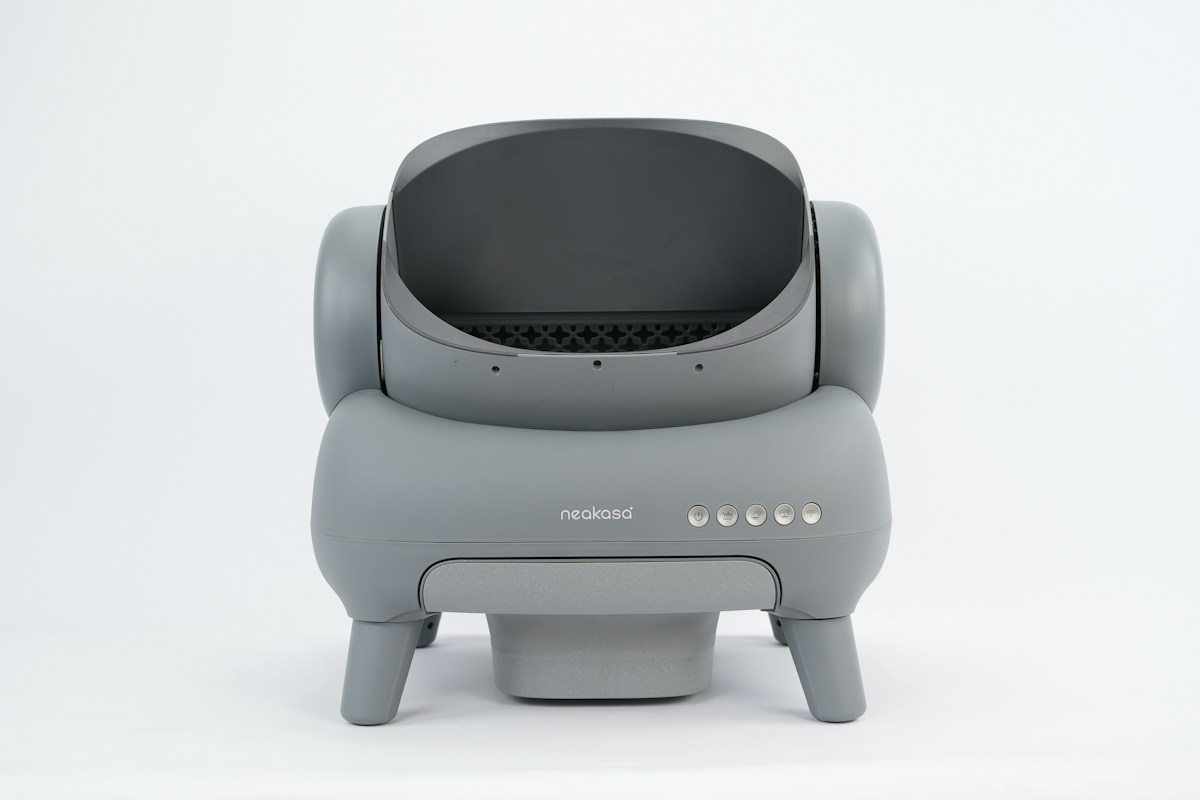
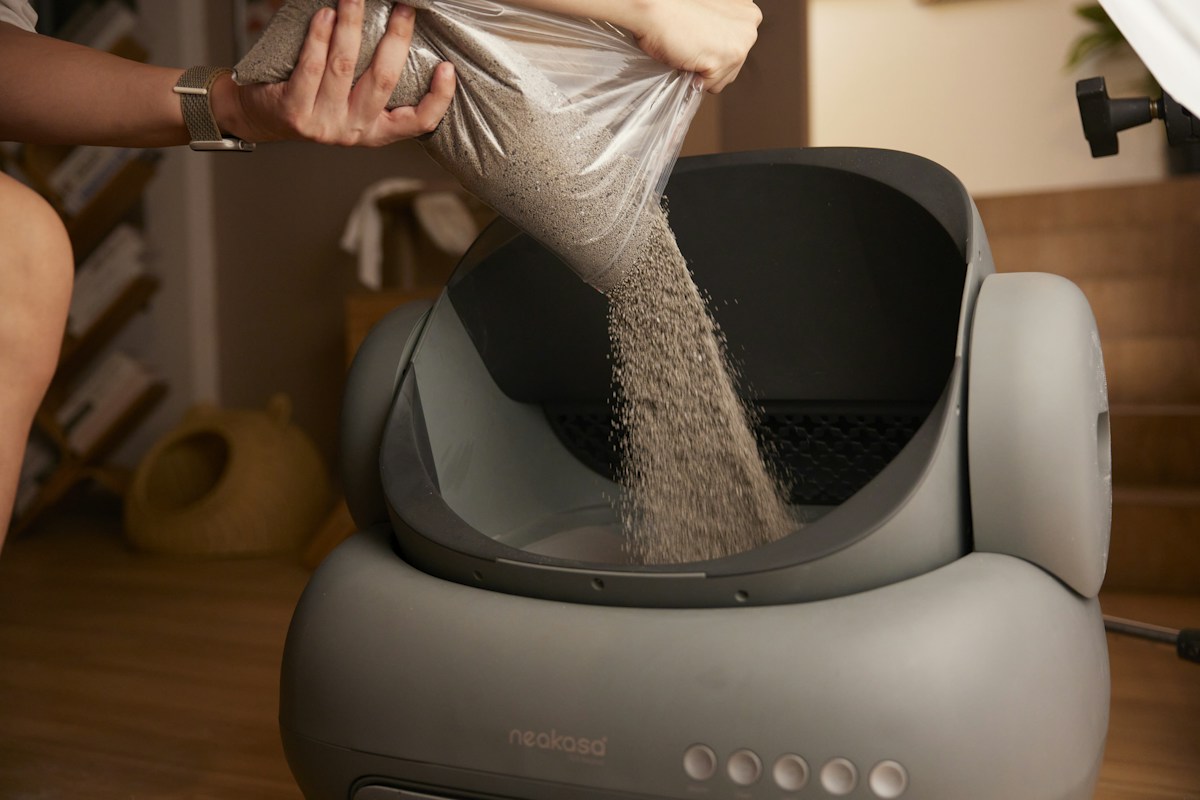
Automatic boxes rake or sift waste on a timer or a sensor. They reduce daily scooping, but they cost more, need power and still need regular emptying and washing. Check the noise level and whether your cat is comfortable around it.
Litter
- Clumping litter forms solid balls that are easy to scoop.
- Non-clumping litter absorbs liquids and is changed more fully.
- Unscented types are usually better tolerated, as strong perfumes can put cats off.
Change to a new type gradually, mixing it with the old.
How many and where
A common guideline is one box per cat plus one extra. Place boxes in quiet but accessible spots, away from the food and water bowls. Avoid noisy places such as next to a washing machine.
Keeping it clean
Scoop daily and wash the box with mild soap and warm water regularly. Avoid strong chemical cleaners, which can leave smells.
Mats
A mat outside the box catches litter from paws.